Why Elderberries?
The simplest answer is: Elderberries may have many, scientifically proven, health benefits with a very long history of aiding human health that dates back at least 20,000 years.
Although there has been anecdotal evidence to suggest the healing properties of the elderberry plant for thousands of years, modern science is only now explaining the power of this magical plant. Please read on below to discover the power of this “medicine chest of mother nature.”
Elderberry may be effective in boosting the immune system and fighting cold and flu virus as well as relieving symptoms. Employing elderberry is a relatively cheap and effective alternative to pharmaceuticals. When cooked, there are no known side effects or unwanted interactions.
The elderberry has a delicious flavor and when made into syrup is happily enjoyed by children, adults and culinary aficionados alike.
What Are The Main Health Benefits of Elderberries?
|
How Does Elderberry Boost Our Immune System?
The exact way elderberry assists our body with infections is still being researched. However, there is a lot of evidence and many published medical journals that suggests elderberry may encourage a strong, healthy immune system. Here are the three main ways elderberry can boost your immunity.
1.) Elderberry Regulates Cytokines in our Immune System
Scientific evidence shows that elderberry increases cytokine activity in our immune system. Cytokines are biochemicals that police our body and lets the immune system know when a dangerous virus is attacking our cells. When we are infected, cytokines sets off the alarm to herald our powerful immune system into action.
2.) Elderberry is Packed with Antioxidants
Elderberry contains flavonoids. These chemicals fight off pathogens, allergens and also prevent free radicals from damaging our cells. Elderberries are packed with the flavonoid anthocyanin . This natural pigment known as a powerful antioxidant to fight free radicals. Anthocyanin is proven as anti-inflammatory, anti-viral, and anti-cancer bodies. Real foods packed with anthocyanin are known to treat a host of conditions like high blood pressure, colds and urinary tract infections. Recent research shows that anthocyanin may also help prevent other major health problems, such as heart disease and even cancer.
*Raw elderberries are known to contain at least four times more anthocyanin than the next most potent food (Blackberries) according to the Linus Pauling Institute Micronutrient Information Center at Oregon State University.
3.) Elderberry Employs An Active Anti-Virus Agent
There are experiments that suggest elderberry may stop infection by attacking the virus itself. Controlled laboratory studies have shown that elderberry may impede influenza virus A and B and the herpes simplex virus-143 virus. It appears that elderberry coats the outer membrane of the virus, disarming it. Note that this is very new science and more study is needed to fully understand this process.
What is the Elderberry Plant?
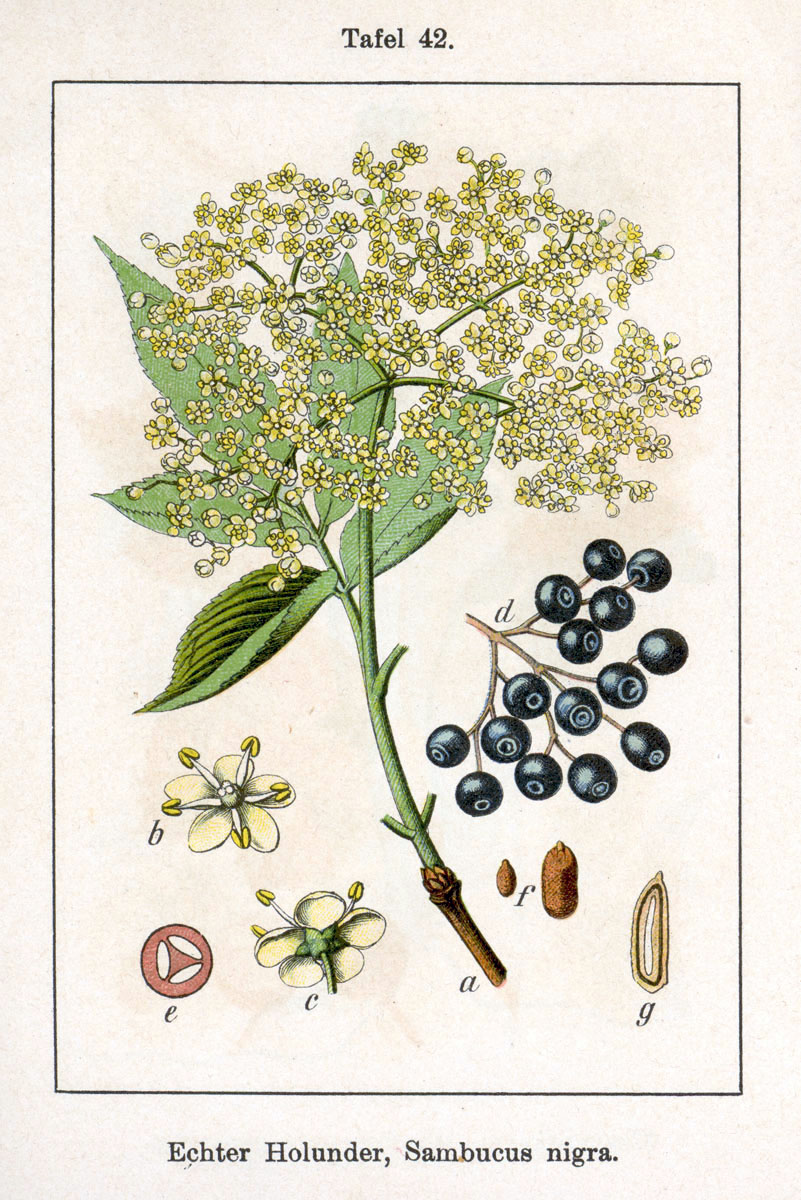
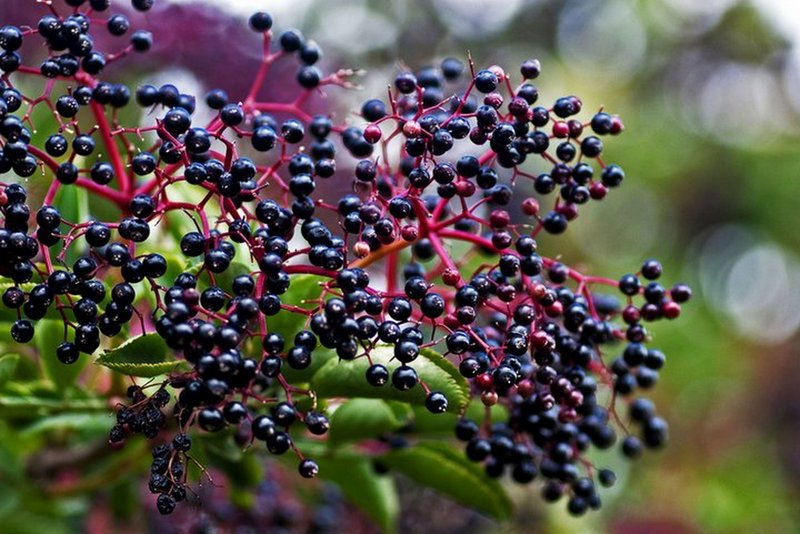
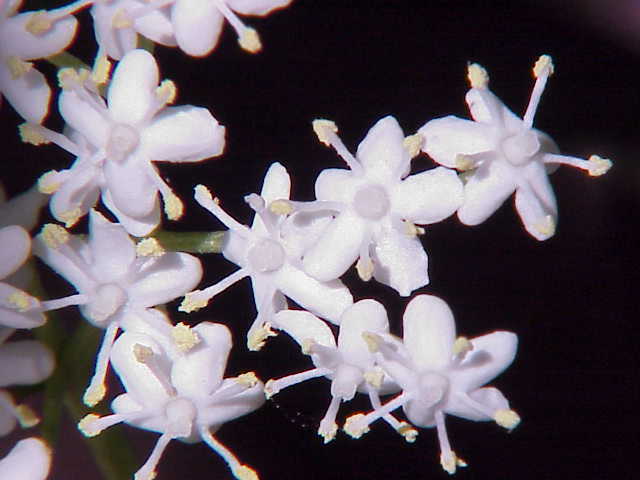
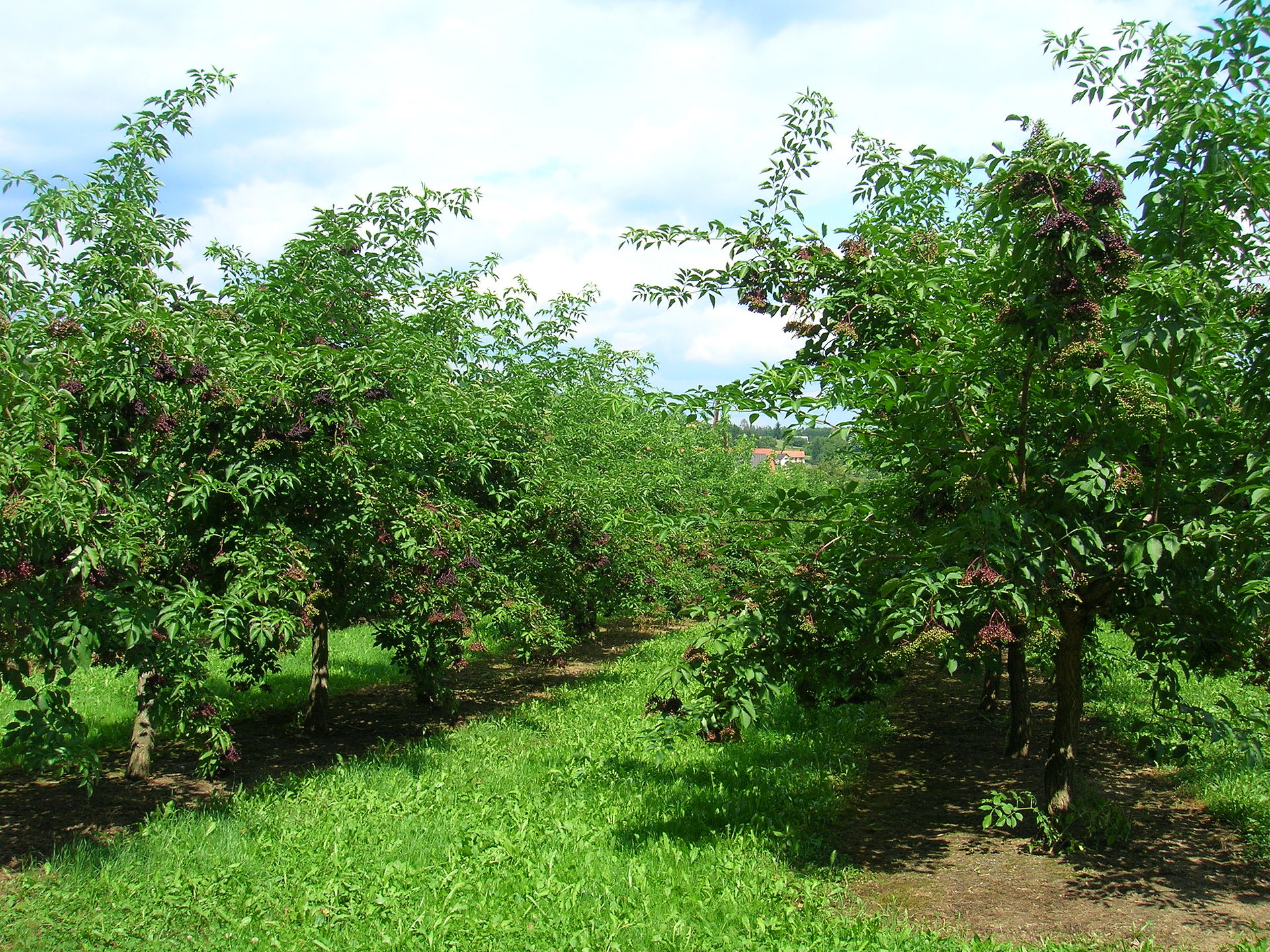
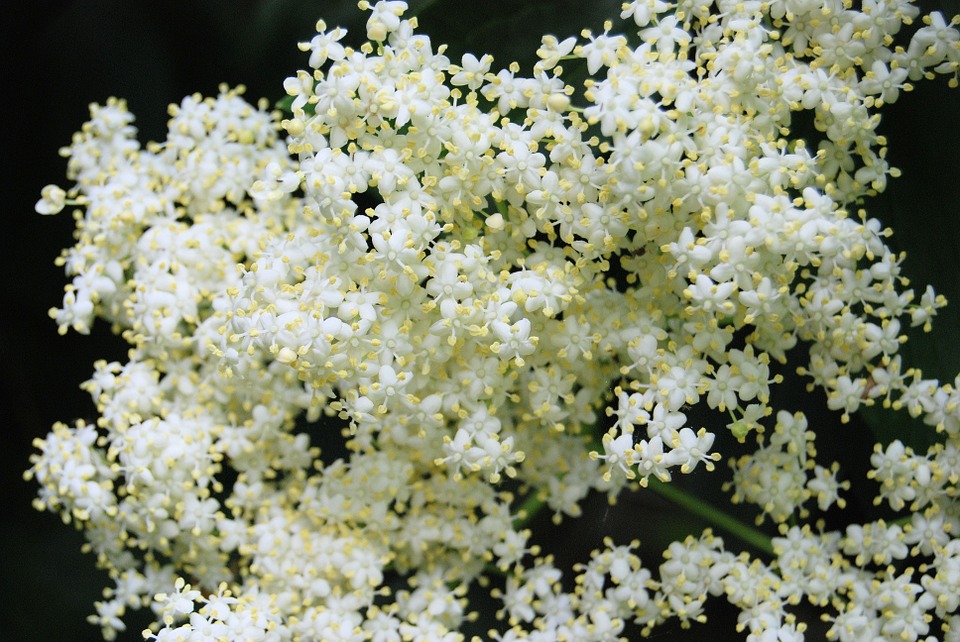
Sambucus is a genus of flowering berry plants in the Adoxaceae family. There are a few different species of Sambucus that are commonly referred to as the elderberry or elder plant. The berries and flowers of the elder plant have been used by humans for millennia as medicine. The elderberry plant is native to Europe, Africa, Asia and is common in North American woodlands and hedgerows. It manifest as a deciduous tree growing up to 32 feet tall adorned seasonally with cream-white flowers (elderflowers) that fruit into berries that ripen from green to black.
Final Thoughts
Elderberry is natural way to enhance your health as part of an over all well-being plan. It’s scientifically proven effectiveness against the cold and flu are welcome news those who choose a more natural approach to healing. The elderberry plant is well known to empower our immune system in a big way. The elder plant has a long and storied history and its use allows us modern humans to connect to a very ancient practice.
Epilogue - A Case Study
In 1995, there was a serious flu epidemic in Panama. In lieu of traditional medicine that was failing to curb the outbreak, the Panamanian government employed the use of Elderberry in massive quantities.
The results were stunning. Elderberry greatly reduced the length of time people were infected as well as the severity of the symptoms. In addition, those yet to be infected gained increased immunity to the virus and slowed it’s spread. Soon, the epidemic had ended.
Here is a quote from a study that was done in the years that followed:
“A significant improvement of the symptoms, including fever, was seen in 93.3% of the cases in the SAM-treated group within 2 days, whereas in the control group 91.7% of the patients showed an improvement within 6 days. A complete cure was achieved within 2 to 3 days in nearly 90% of the SAM-treated group and within at least 6 days.”
What Are The Traditional Uses Of Elderberry?
Historically, elderberry was used as cure-all and has been referred to through history as: “the medicine chest of country people.” The Romans dye their hair from the juice. The wood of an elderberry tree polishes easily and has been used to produce intricate objects like musical flutes, hair combs, toys, skewers and needles for weaving. Native Americans used the plant for producing a healing medicine, as a food and to make ceremonial body paint, jewelry, hunting whistles and musical instruments.
There is a very long history of elderberry use in Europe. Archeological work has found large numbers of elderberry seeds at many prehistoric sites, indicating elderberry was consumed as far back as the Magdalenian era (17,000 to 12,000 BC). Further excavations have found ceremonial spearheads that were modeled after elder leaves, offering further evidence that elderberry was honored as much then as it is today. Celtic druids produced flutes from elderberry branches to play for the souls of the dead. Celtic myth states that the spirits of the forest dwell inside the hollowed wood of the elder tree and that the white blooms in the spring symbolize their reincarnation.